

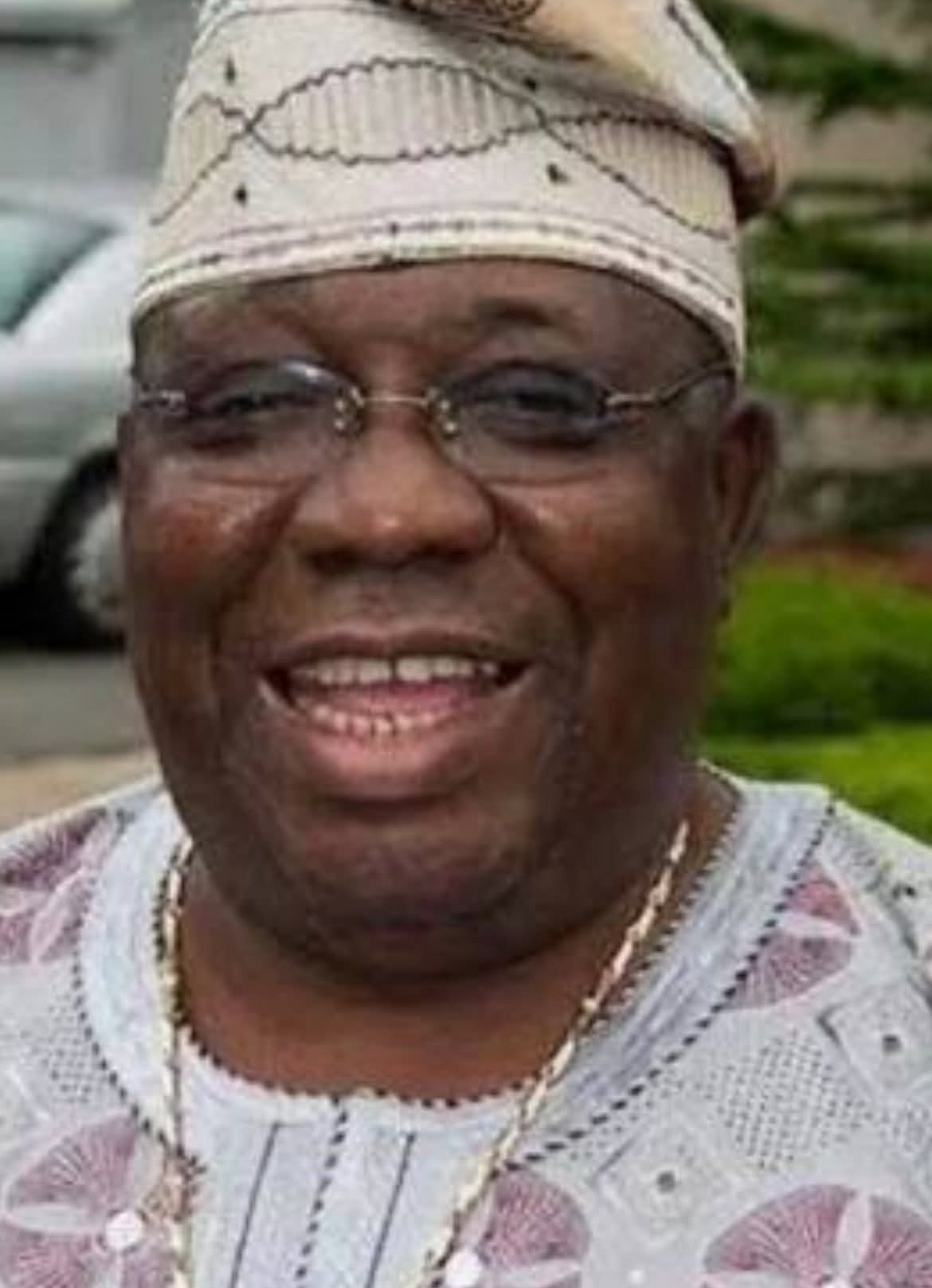
Fifteen years after his transition, Dr Síkírù Àyìndé Barrister (MFR) refuses to be remembered in the past tense. On his posthumous 78th birthday, his music still debates with society, still instructs, still consoles. Like a seasoned elder who may have left the room but not the conversation, Barrister remains present and audible.
Much of this sustained remembrance is owed to The Barry Wonder Lives On (BWLO) WhatsApp group, whose Barry Guest of the Week (BGOTW) series has quietly become an invaluable oral archive of Barrister’s life, philosophy, and human side. Through carefully curated interviews with journalists, associates, fans, and confidants, BWLO has ensured that memory does not blur into myth.
In one such BGOTW session, Ba’aroyin Tunde Busari, media practitioner and long-time Barrister devotee, traced his emotional baptism to Volume 10. He recalled how Barrister narrated his auto-crash experience with chilling precision, noting that “Alhaji knew the right voice to deliver the right line.” Elsewhere in the same interview, Busari described Barrister as “a special being,” arguing that the scale of his immortalisation in the indigenous music industry remains unprecedented. For him, Barrister’s genius lay not only in philosophy, but in the delivery voice as conscience.

That emphasis on humanity echoed strongly in the reflections of Elder Dayo Odeyemi (D-Hunter), veteran journalist and one of Barrister’s closest allies. Speaking during his BWLO session, Odeyemi revealed that Barrister consciously shed supernatural embellishments later in life, choosing instead a deeper spiritual focus instead. “Barrister was a special human being,” he said, stressing that about two decades before his death, the Fuji icon turned fully to the Qur’an. In another moment, Odeyemi spoke of Barrister’s leadership instinct, recalling how he was publicly elevated within the band hierarchy..an act that silenced dissent and affirmed trust.

For Mallam Lanre Issa-Onilu (LION), the memories were intensely personal. During his BWLO appearance, he spoke of Barrister’s habit of calling to pray and sing impromptu songs over the phone. “Many of those songs never made it outside,” he said with visible emotion. LION also provided rare insight into Barrister’s eventual national honour, explaining how sustained advocacy finally paid off in 2006. His verdict was blunt and reverent: “SAB didn’t sing for money. He served the world with his music.”
That generosity found further confirmation in the account of Hon. Adebola Rasheed Shabi, who recounted how Barrister played at personal events without demanding payment. “Everything is not money to him,” Shabi insisted, dismissing long-held rumours. In another exchange, he posed a rhetorical question that needed no answer: “Do you think there can be any Fuji musician like Alhaji? No!”
Taken together, these testimonies preserved and presented by BWLO form a mosaic of discipline, depth, spirituality, and uncommon grace. At 78, Barrister belongs neither to silence nor nostalgia. Through BWLO’s quiet but consistent labour, the drum still speaks—and Nigeria is still listening.
BWLO
BARRY4LIFE
