
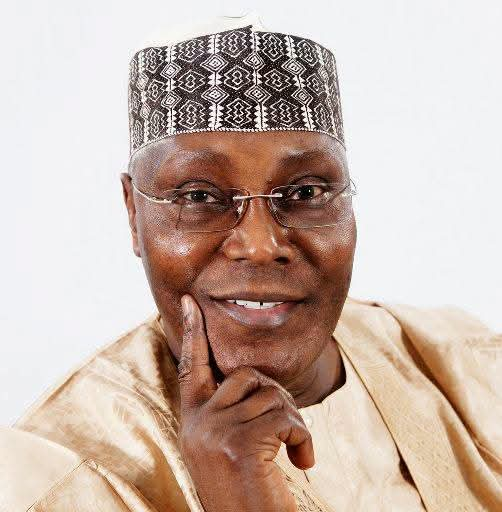
Yesterday, Atiku Abubakar, the presidential candidate of the African Democratic Congress (ADC), made two bold promises on live television. First, if he wins the 2027 presidential election, he will restore fuel subsidies. Second, anyone who stole Nigeria’s subsidy money in the past will be forced to return every kobo.
With those words, the 2027 election stopped being just another contest. It has become a simple referendum: do Nigerians stay with President Bola Tinubu’s “subsidy is gone” policy, or do they vote for Atiku’s “subsidy is back” alternative?
In my opinion, Nigerians finally have a real choice. But before we jump for joy, we need to think with our heads, not just our hearts.
The Irony We Cannot Ignore
Here is something that should make every Nigerian pause. In the months leading up to the 2023 presidential election, the three leading candidates—Bola Tinubu of the APC, Peter Obi of the Labour Party, and Atiku Abubakar of the PDP—all promised to remove the fuel subsidy. They all said it was bleeding the country dry. Tinubu simply acted first. On May 29, 2023, standing at Eagle Square in Abuja, he declared, “Subsidy is gone.”
That single sentence changed everything. Petrol prices tripled overnight. Transport fares shot up. Traders raised prices. Inflation spread like wildfire. Today, the average Nigerian cannot feed his family properly. Salaries have stayed the same, but the cost of food, rent, medicine, and school fees has hit the roof. Purchasing power has practically disappeared.
So when Atiku now says he will bring the subsidy back, my honest reaction is: so be it. If removing it has caused this much pain, then restoring it is worth serious consideration.
But Where Is the Money?
However, I have a bone to pick with the Tinubu government, and every Nigerian should ask the same question: where exactly is the money saved from subsidy removal?
The government told us that removing the subsidy would free up trillions of naira for roads, hospitals, schools, and social programs. Yet three years later, the government is still borrowing heavily. There has been no transparent accounting of the so-called savings. What many of us see instead is this: the federal government simply shared the proceeds as increased monthly allocations to state and local governments.
And what have the governors and local council chairmen done with this extra money? Most of them have spent it on themselves. Fancy cars, overseas trips, and white elephant projects. The majority have nothing reasonable to show for the increased allocations—no new roads, no working hospitals, no improved schools. The poor Nigerian was sacrificed so that politicians at the state and local levels could eat bigger. That is not reform. That is simply transferring poverty from Abuja to the masses.
Subsidy Is Not a Sin
Let us also kill this myth that subsidy is only for poor or backward countries. Many developed nations subsidize essential commodities for their citizens. In a country where the minimum wage cannot buy a bag of rice and unemployment is everywhere, asking citizens to pay global market prices for petrol is simply wicked.
Even if Atiku cannot restore the subsidy to 100 percent, a partial restoration—say 40 or 50 percent—would bring immediate relief. Transport costs would drop. Traders would spend less on moving goods. Households would breathe easier.
But here is my correction: no reasonable government removes a subsidy completely without first putting solid alternatives in place. The Tinubu administration removed it overnight without a working public transport system and without fixing our refineries. It was like performing surgery without anesthesia.
The Hard Question Atiku Must Answer
Now, here is where I urge my fellow Nigerians to be careful. Restoring the subsidy is not what worries me most. What worries me is this: if the subsidy returns, will the prices of everything else return with it?
We all know how Nigeria works. Once prices go up, they almost never come down. Since the removal of the subsidy, the prices of garri, rice, beans, bread, transport fares, and house rent have gone through the roof. Even if petrol becomes cheaper tomorrow, will landlords reduce your rent? Will market women drop their prices? Will bus drivers lower their fares? In Nigeria, price increases are sticky—they climb easily but refuse to fall.
So before we accept Atiku’s promise, he owes us a clear explanation. If he restores the subsidy:
- What will happen to the pump price of petrol?
- Will transportation costs go back to what they were before 2023?
- Will food prices drop in the market?
- Will essential commodities become affordable again?
- Or will the subsidy simply benefit fuel marketers while the rest of us continue to pay today’s unbearable prices?
Nigerians are tired of empty promises. We want a clear plan that guarantees that restoring the subsidy will lead to a real, measurable improvement in our daily lives. Because if the subsidy is restored but the prices of goods and services remain at today’s levels, then what exactly is the benefit for the ordinary Nigerian?
My Final Word
In my view, Atiku’s promise is a step in the right direction, but only if it is part of a larger, honest economic plan. Subsidy restoration must come with transparency: no more stolen billions, no more feeding fat cabals while the masses suffer in queues. We need a subsidy system that is digitized, monitored, and targeted—one that truly helps the poor, not just the politically connected.
The 2027 election is not about who makes the sweetest promise. It is about who has a credible plan to ease the suffering of Nigerians. Atiku has thrown down the gauntlet. Now he must tell us exactly how “subsidy is back” will translate into “relief is here.”
The choice belongs to the Nigerian people. But let us choose with our eyes wide open.
Otunba Ademola Akinnola
Public Affairs Commentator | Opinion Columnist
Advocate for Good Governance
📞 08067526682
